
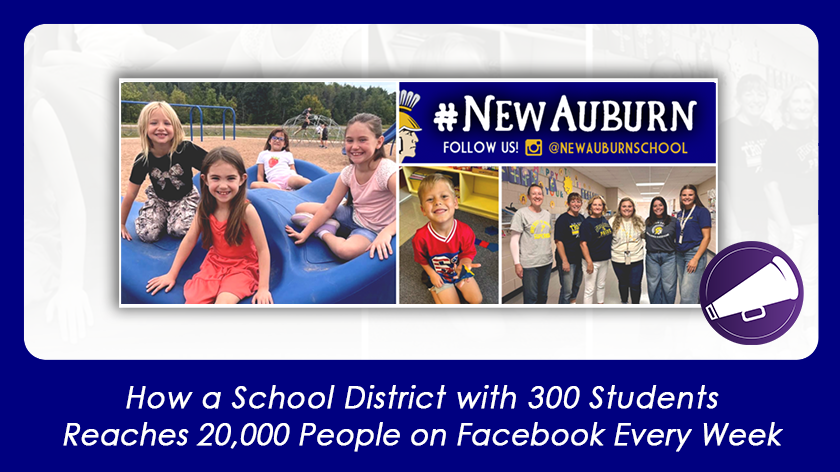
New Auburn School District will always have a special place in the #SocialSchool4EDU story. It was our very first school partnership!
Back in April 2014, my alma mater in New Auburn didn’t have a Facebook following. We didn’t have an Instagram following. We actually needed a Twitter, too – because, hey, it was 2014!
But from the very beginning, the goal wasn’t really about getting as many followers as possible. We just wanted greater visibility on our amazing little district.
New Auburn is a 4K-12 district serving about 300 students. We don’t have a local newspaper that consistently covers our schools, and like most small districts, we certainly don’t have extra staff members sitting around with nothing to do. So, we created a system to consistently tell the New Auburn story!
More than 12 years later, we’ve learned a lot about what happens when a school commits to celebrating its students and staff through social media. This case study includes my own lessons learned as well as quotes from the people who have experienced the system firsthand.
New Auburn By the Numbers
I want to anchor this discussion in key metrics about our school district and its social media presence. The goal is to inspire you about what’s possible in a school or district of any size or location!
- Our district has about 300 students.
- New Auburn as a village has just over 500 residents.
- We have 4,600 Facebook followers. During the school year, our Facebook content typically reaches around 20,000 people every week.
- Our Instagram has 1,300 followers and consistently reaches around 8,000 people each month.
Sometimes our social media posts reach even more people, and it isn’t only the big, fun videos that get noticed:
- A Reel of a substitute teacher singing Country Roads with students during resource time reached more than 130,000 people on Facebook.
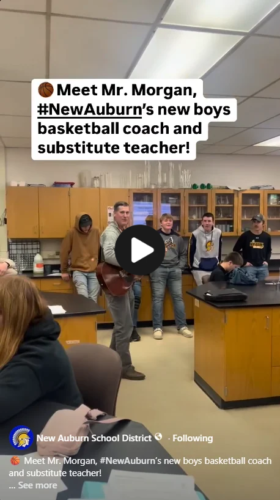
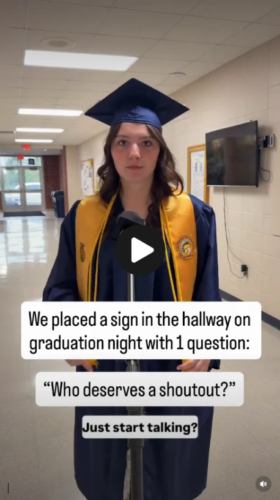
- A hallway microphone video asking graduating seniors to give a shout-out reached more than 70,000 people.
- An ice fishing team tournament photo dump reached more than 12,000 people.
- Posts thanking local businesses for donations can reach more than 3,000 people, and everyday classroom stories regularly reach more than 2,000 people.
For a district of 300 students, those numbers are pretty incredible! But they only tell part of the story. When I sat down to create this case study, I wanted to know what more than a decade of consistent social media storytelling has actually done for the school and community.
That led to gathering feedback from district leaders, teachers, students, parents, and community members. And these are the themes that stood out.
School Social Media Keeps People Connected
When you don’t have a newspaper covering every classroom activity, student accomplishment, or special moment, social media becomes incredibly important.
Superintendent Austin Hiess put it simply: “Community engagement is one of our top priorities. Our social media presence is extremely important.”
Principal Shawn McMahon echoed that, calling social media “one of the best ways to communicate with the largest number of community members.”
One of my favorite responses came from a parent. She shared that she often checks Facebook before calling the school when she needs information – and most of the time, she finds what she needs without having to make the call!
Other parents talked about using the pages to remember important dates, keep up with activities, and see what’s happening throughout the school. One parent mentioned that social media lets family members in other states see what their grandchildren are doing at school.
To be clear, social media doesn’t replace all of your other communication channels. But when used consistently, it becomes central to how your community stays connected.
Simple, Everyday Stories are the Most Important
Championships are fun to celebrate, and big awards deserve recognition. And yes, Friday night football photos always have a place on our page!
But when we asked people what they most enjoyed seeing, they kept mentioning the everyday moments from classrooms – students learning, staff doing great work, and kids helping other kids. These are the behind-the-scenes moments that parents would never otherwise get to see.
Plus, when staff members who aren’t normally front and center get to show what is happening, the community gets a much more complete picture of the school’s culture.
Mr. Hiess said some of the strongest content is from inside classrooms and activities, and letting people hear directly from teachers and students. Another teacher shared that social media helps stories from all corners of the school get noticed. Yet another teacher said that when stories she submits appear on the page, it makes her proud!
And parents notice, too. When polled, they said they felt proud when their children were featured and loved the chance to see students doing positive things throughout the school.
That’s why I think those classroom posts that reach 2,000 people are actually a huge part of this case study. They aren’t “viral,” but they reach several times the entire community population, showing a glimpse of what learning actually looks like at New Auburn. That’s powerful!
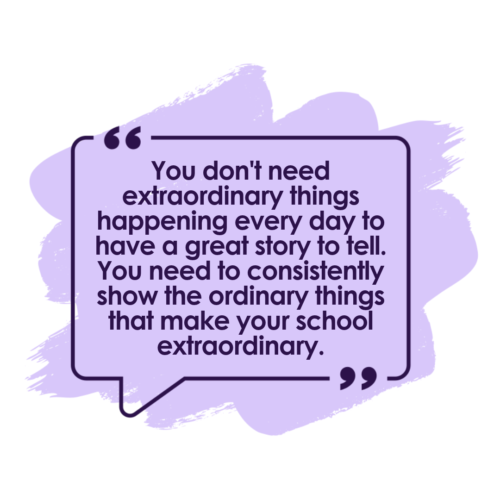
You don’t need extraordinary things happening every day to have a great story to tell. You need to consistently show the ordinary things that make your school extraordinary.
Students Transform Storytelling
In fall 2023, we took another big step and created a formal student social media intern program. It’s completely changed what we can capture and share on the social media channels.
Our student interns take photos, create Reels, interview classmates, make sports hype videos, and capture everyday moments. Student-created content feels different, too.
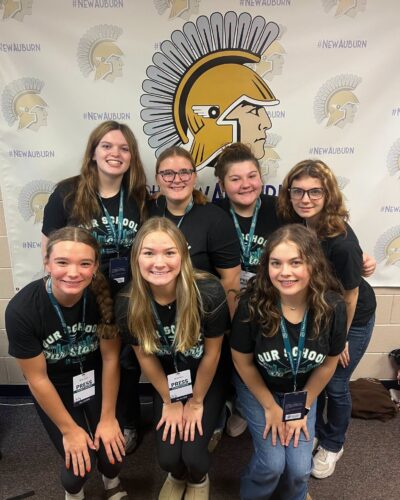
One student described New Auburn’s social media as showing more behind-the-scenes content than other schools. Another said having students involved makes the content feel more current.
Student intern Madelin Dahl summed up something that still amazes me: “Thousands of people see posts of our little school, and it’s so amazing!”
She’s right!
That graduation hallway video, which reached more than 70,000 people, wasn’t an elaborate production. A few passionate students created it with an idea, a microphone, and authentic responses from their peers.
The impact goes beyond better content, too. When asked for their feedback for this case study, the students talked about learning video editing, creativity, teamwork, communication, and social media skills they expect to use in college, clubs, future businesses, and careers.
Adults see the value, too. One teacher shared: “Parents do not want to see leadership teams telling the story; they want to see the kids who ARE the story sharing their experiences.”
Yes! Students aren’t just subjects of our stories anymore. They’re the storytellers.
Consistency Means Sharing the Load
I think one of the most important parts of the New Auburn story is that we didn’t build this presence because New Auburn hired a huge communications department. We just built a simple system.
Every staff member is encouraged to send one or two stories each month to our social media email address. These staff members don’t need to know algorithms, design graphics, or become professional copywriters. They just help us see what’s happening!
After receiving the content, the #SocialSchool4EDU account manager turns those submissions into consistent, polished content for the social media channels.
Mr. Hiess said he appreciates how streamlined this process is, since the account manager can also suggest content ideas and turn staff content into high-quality posts. Another district leader called the partnership “an absolute must” and pointed to knowing what to share, when to share it, and how to make an impact.
After doing this for more than a decade, I think this is one of the biggest lessons New Auburn can offer other schools: You don’t necessarily need more people. You need a system that makes storytelling easier for the people you already have.
Responsible Storytelling Matters
I don’t want to pretend that every survey response said, “We love everything about social media!” – because it didn’t.
One parent specifically raised concerns about student privacy, oversharing, and how much information about children can end up online. They also supported students participating, but only when there is proper supervision and education about responsible social media use.
And I agree. Celebrating students and protecting students should always go together.
Strong school social media shouldn’t mean sharing everything. It means having policies, honoring permissions, educating students and staff, and making thoughtful decisions about what belongs online.
Has Social Media Made a Difference in New Auburn?
After more than 12 years, I think the answer is pretty clear! Social media has helped a tiny school district reach tens of thousands of people, and helped parents see what happens after they drop their kids off each morning.
Social media in New Auburn has given teachers another way to showcase work they are proud of, and has allowed grandparents and extended family members hundreds of miles away to celebrate alongside our community. It has even helped local businesses see their support recognized by thousands of people.
And now, our social media channels are giving students real-world experience in social media content creation and management.
We’re not waiting for someone else to tell our stories. Every week, we’re showing our community what learning looks like, what belonging looks like, and what makes our school worth celebrating.
This is what consistent storytelling can do for a small school. For a larger school, the impact can be even greater!