
Mental health struggles have likely impacted your life in one way or another. Maybe personally, or maybe through someone you love.
I know that’s true for me.
I’ve dealt with anxiety and depression. At one point, it made perfect sense – I had lost my job and moved in with my parents at the age of 36!
But another, more recent struggle came during a season when life looked good on the outside. I have an amazing husband, healthy kids, a stable career, and a beautiful home.
That’s the thing about mental health challenges. Sometimes, there is a clear reason. But sometimes, there isn’t.
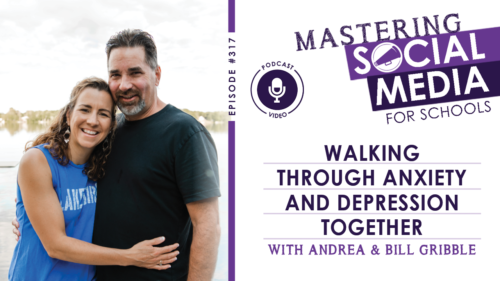
After walking through another difficult 5-month stretch that ended in February 2026, I opened up about it on my podcast. My husband and I talked honestly about what those dark days looked like, how we got through them, and what helped – both from the perspective of someone struggling and from the perspective of the people supporting them. I encourage you to listen to the episode here:
I’m not going to unpack that same content in this blog. But I do want to reiterate that mental health matters, and the way we talk about it matters, too.
That’s one reason Mental Health Month is such an important opportunity for schools!
Social media may not solve mental health challenges, but it can help schools show support, reduce stigma, share helpful resources, and remind students, staff, and families that they are not alone.
In this blog, you’ll find examples of how schools are using social media to do exactly that, along with best practices and resources to support you in the process. One post or one resource really can make a difference!
Mental Health Month Social Media Post Examples
There’s no single “right way” to talk about mental health. What matters most is showing up with intention, care, and consistency. These examples highlight different ways schools are doing just that.
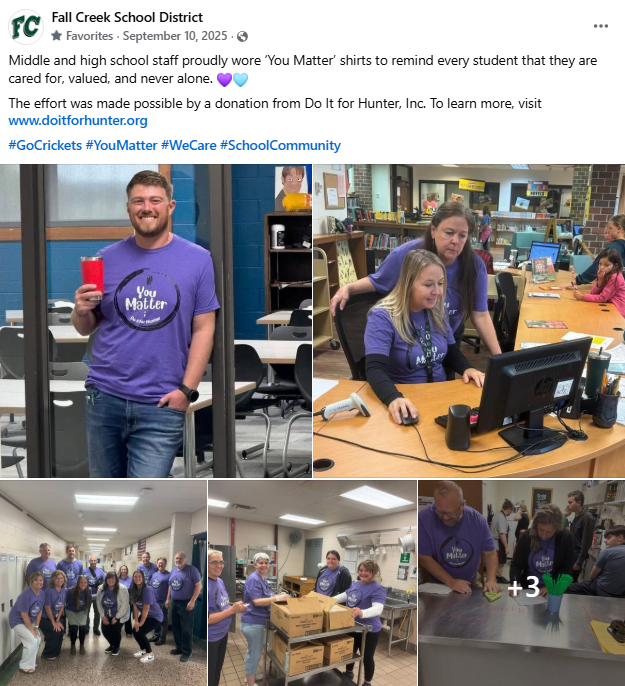
Fall Creek School District (WI)
This post highlights how a simple, visible gesture from staff can send a powerful message to students. By wearing “You Matter” shirts, staff reinforced a culture of care and reminded students they are seen, valued, and supported every day.
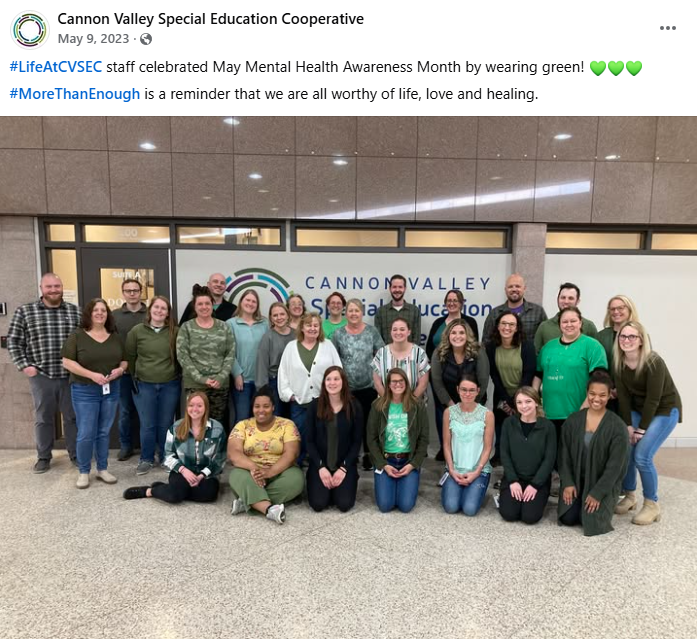
Cannon Valley Special Education Cooperative (MN)
Here is another post that uses a simple, visible act – staff wearing green – to show support for Mental Health Awareness Month. Paired with the message #MoreThanEnough, it offers an important reminder that every individual has value and belongs.
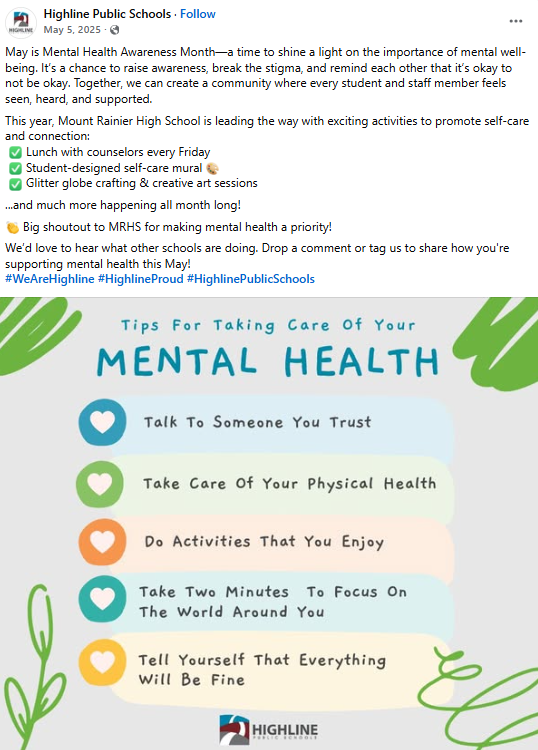
Highline Public Schools (WA) – Post 1
This example highlights how to turn awareness into action. By offering student-centered activities throughout the month, this district is creating intentional opportunities for connection and support.
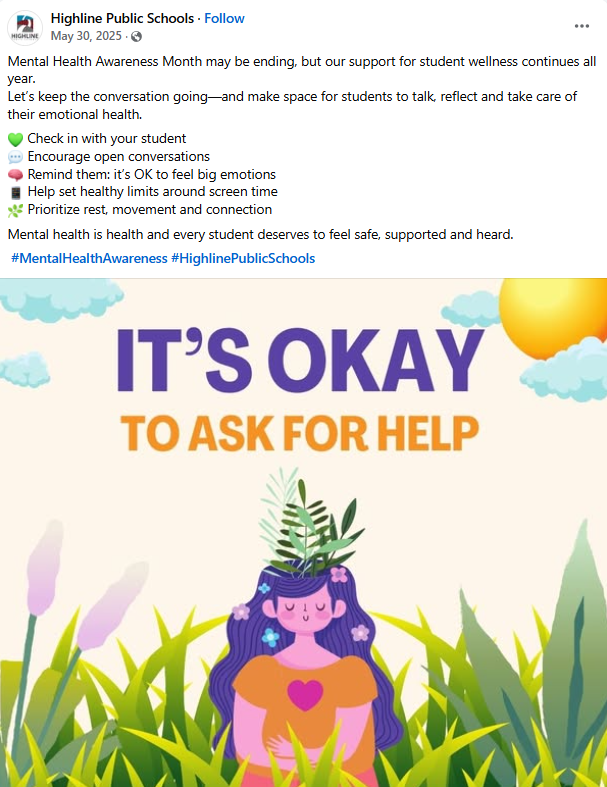
Highline Public Schools – Post 2
This follow-up post shifts the focus beyond the month of May, encouraging families to continue supporting students’ mental health in everyday ways. I love how it offers simple, practical reminders that help keep the conversation going at home.
Eastside Catholic School (WA)
This is a great example that emphasizes how peer-to-peer support can shape a positive school culture, with students leading the way during Mental Health Awareness Month.

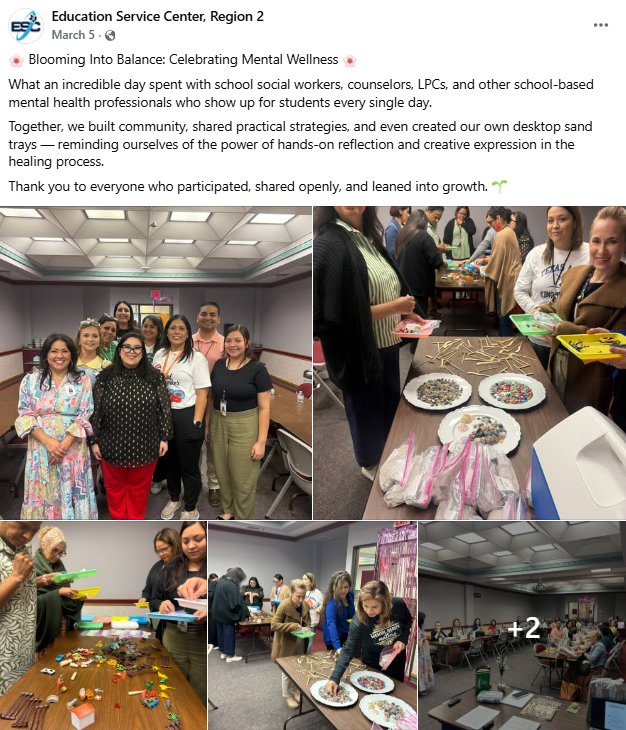
Educational Service Center, Region 2 (TX)
This post shows that investing in staff professional development opportunities related to mental health is a priority for the district. It spotlights collaboration and shared resources, underscoring the overall support system for students!
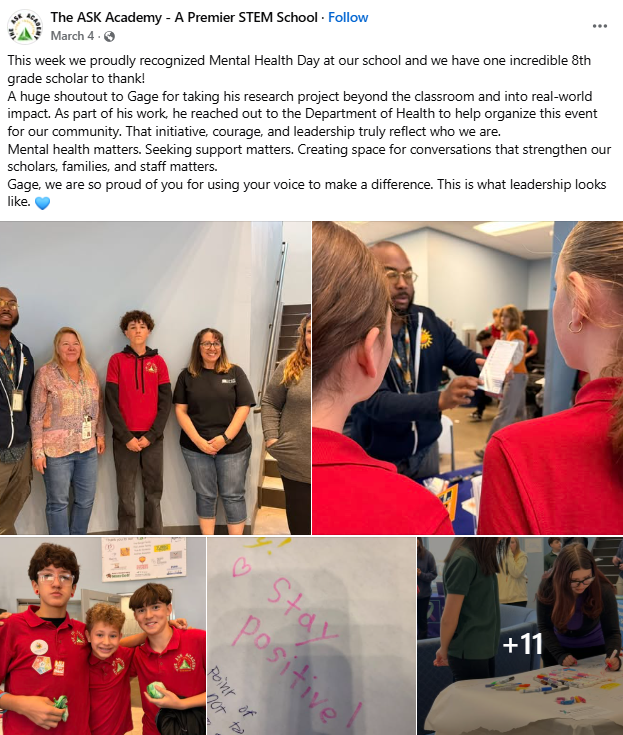
The ASK Academy (NM)
This example highlights how one student turned a classroom project into a meaningful, real-world impact. By leading a Mental Health Day event, he helped create space for important conversations across the school community.
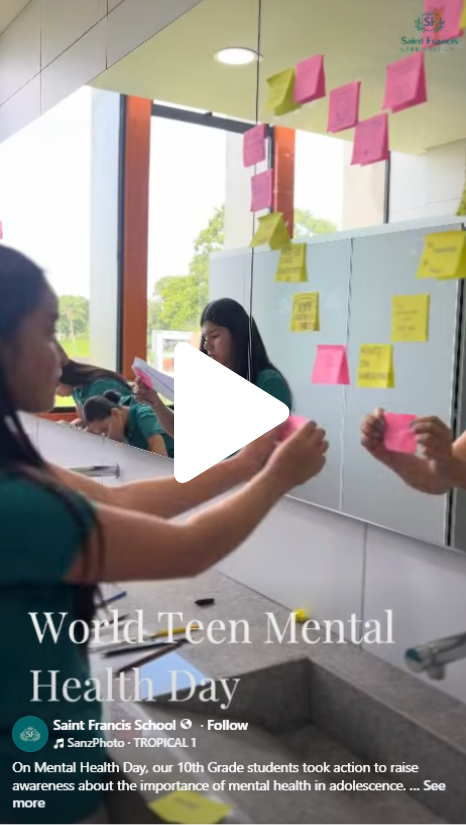
Saint Francis School (Bolivia)
This post showcases students using creativity to promote mental health awareness and encourage their peers with visible, meaningful messages.
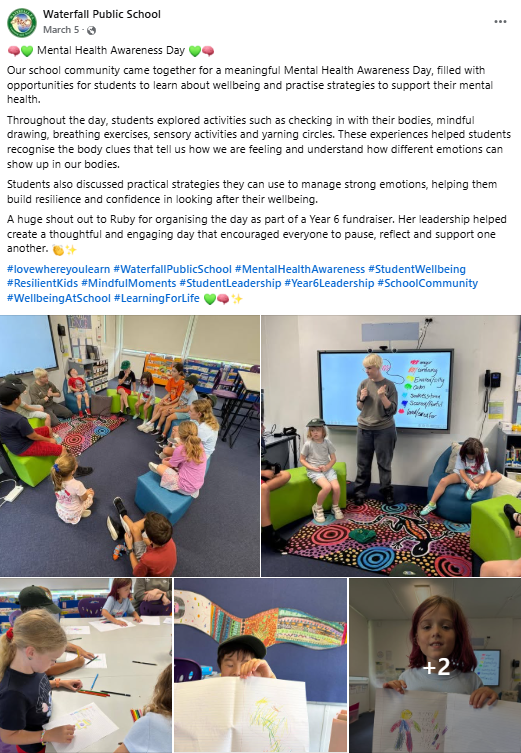
Waterfall Public School (Australia)
Here, a school goes beyond awareness by actively teaching students strategies to support their mental health. Through hands-on activities, students built skills to better understand and manage their emotions.
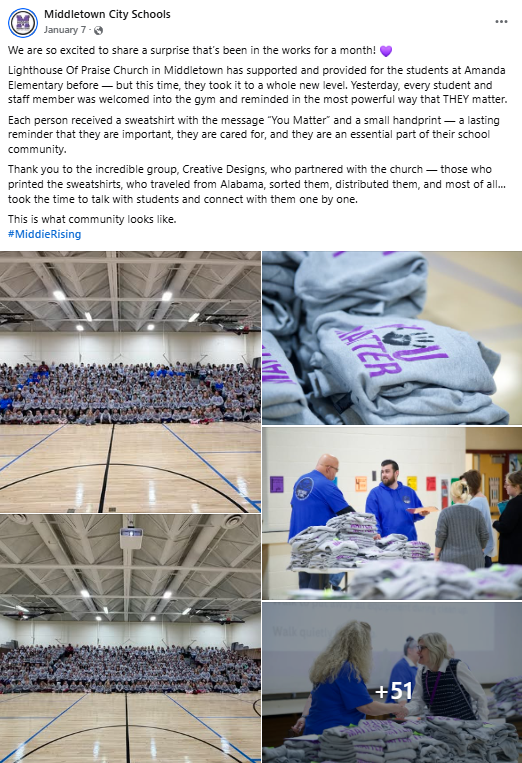
Middletown City Schools (OH)
This is a powerful example of how community partnerships can support student well-being in meaningful ways. Through a thoughtful and tangible gesture, students and staff were reminded that they matter and are valued.
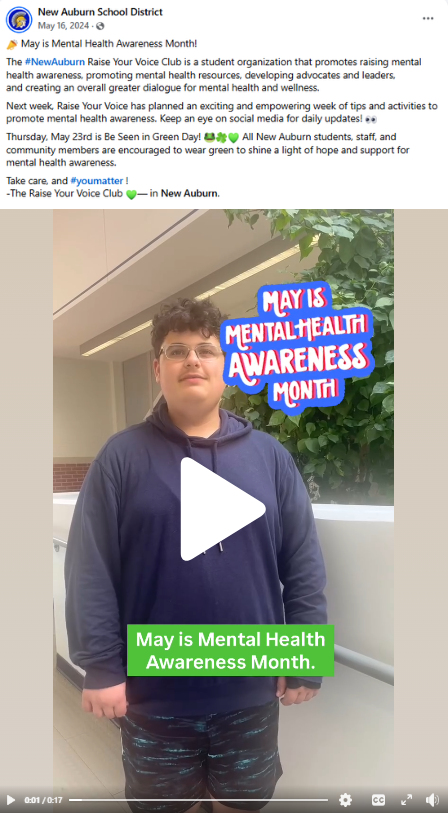
New Auburn School District (WI) – Post 1
Led by students, this example highlights how youth can play a key role in spreading messages of hope and supporting mental wellness in their community.
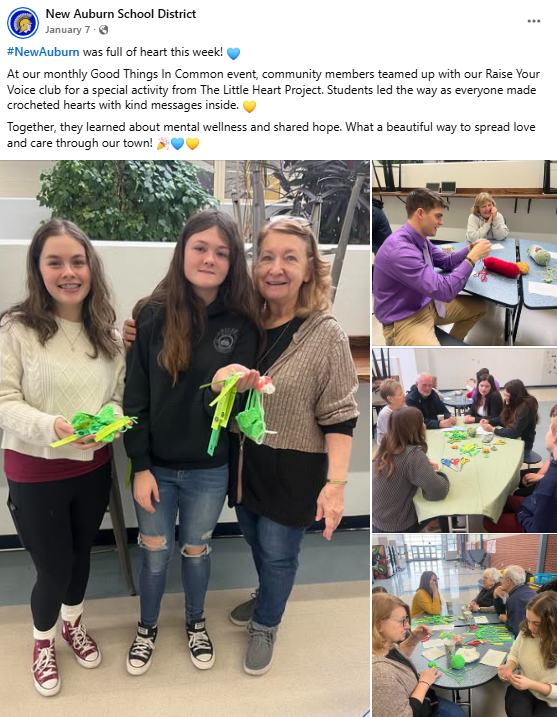
New Auburn School District (WI) – Post 2
This post is a strong example of how student organizations can lead ongoing mental health awareness efforts. By planning activities, sharing resources, and encouraging participation, students are helping keep the conversation active and visible.
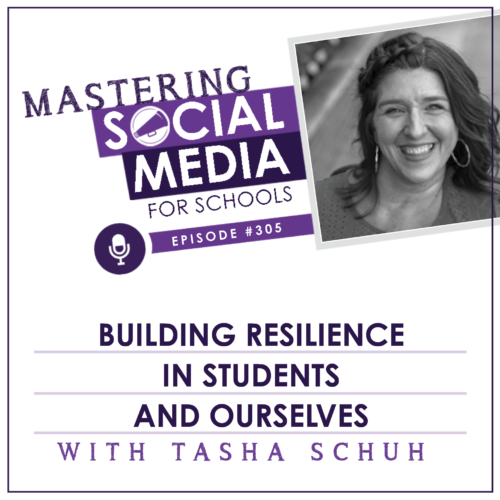 My friend, Tasha Schuh, has an amazing journey about mental health and resilience that she shares with schools across the country. She was recently on my podcast, where she talked about her school programs that equip students and educators with tools to build resilience in mental and emotional health. Listen here: https://socialschool4edu.com/podcast/305/
Tips & Best Practices for Posting About Mental Health
If you’re not sure where to start, you’re not alone. The goal isn’t to have all the answers; it’s to create a safe, supportive space and point people in the right direction.
Include the 988 Lifeline
When posting about mental health, mention the 988 Suicide & Crisis Lifeline. Here’s a simple example: “If you or someone you know needs immediate support, call or text 988.”
Share local and school resources
Turn awareness into action! Whenever possible, link to helpful resources in your posts, such as:
- Your school counseling page
- Local mental health organizations
- Community support services
Keep your tone supportive, not clinical
You don’t need to sound like a textbook. Simple, human language connects more:
- “You’re not alone.”
- “It’s okay to ask for help.”
- “We’re here for you.”
Avoid trying to solve everything in one post
Your role is to support and guide, not diagnose or fix. Focus on encouragement, awareness, and directing people to trusted help.
Use visuals and video to build connections
Photos and short videos make posts feel more authentic. Your message will get more engagement if people can relate to what you’re posting.
Post consistently (not just in May)
One post is helpful. Ongoing messaging builds trust. Look for opportunities throughout the year to reinforce your school’s stance on supporting mental health.
Collaborate with your school team
Work with counselors, social workers, and administrators to ensure your messaging is accurate and aligned with what your school actually offers.
Be mindful of language
Avoid graphic or overly detailed language. Keep messaging safe, inclusive, and supportive for all audiences.
Encourage help-seeking behavior
Normalize reaching out – whether it’s talking to a trusted adult, visiting a counselor, or using available resources.
Remember that your presence matters
Even if you never hear about it, your post might be exactly what someone needed to see that day.
Mental Health Support… for YOU!
As you think about how your school can support students and staff, it’s just as important to consider your own well-being.
The work of school communication and education in general can be incredibly meaningful, but it can also be demanding, emotional, and nonstop. You’re often the one telling the stories, sharing the updates, and supporting your community… all while managing your own mental health behind the scenes.
If you’re feeling stretched thin or nearing burnout, you’re not alone. #SocialSchool4EDU has some resources to support you, too:
- Podcast episode 144: Social Media Strategy & Avoiding Burnout in School PR with Christy McGee, APR
- Podcast episode 154: School Leaders’ and Communicators’ Roles in Workplace Well-being with Dr. Janet Swiecichowski, APR
- Podcast episode 222: Empowering K12 Wellness: Strategies to Combat Educator Burnout with Alexis Overstreet, LCSW
- Blog: 10 Practical Tips to Avoid Burnout in #SchoolPR – From Your Fellow School Communicators
- Free PDF download: 10 Practical Tips to Avoid Burnout in #SchoolPR
Join our Membership Community for Ongoing Support
If you’re looking for year-round support, connection, and practical ideas, the #SocialSchool4EDU membership was created with you in mind. It’s a space where school communicators come together to share strategies, collaborate on content, and support one another – especially during the seasons when the work feels heavy.
From mental health messaging ideas to systems that help lighten your load, you don’t have to figure it all out on your own. Find out what your membership includes, right here!
The Conversation Doesn’t Stop Here
Mental Health Month gives schools a meaningful opportunity to start or strengthen important conversations, but it shouldn’t be the only time they happen.
As these examples show, supporting mental health can – and should – happen all year long. Whether it’s a simple reminder, a shared resource, or a message of encouragement, your school’s social media can help students, staff, and families feel seen and supported!
And as you think about what that looks like in your own district, remember that you don’t have to do everything at once. Start with one post, using the ideas and best practices shared here as a guide. You can always build from there!
Just as importantly, take care of yourself in the process. This work matters, but so does your well-being. The more supported you feel, the more sustainable this work becomes.
You don’t have to have the perfect words. You just have to be willing to show up.